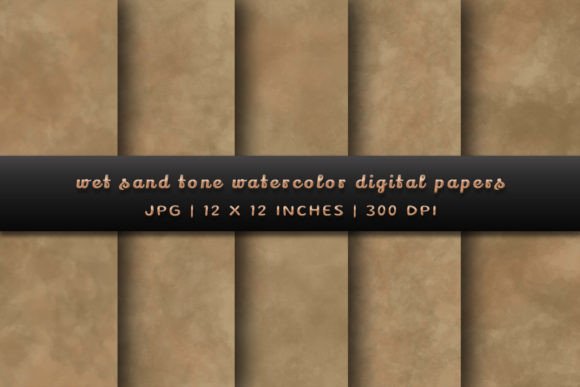
Wet Sand Watercolor Backgrounds: A Designer's Guide
There's a particular quality to the coastline just after a wave recedes. The sand is dark, saturated, and holds the impression of the water's movement. It’s a fleeting, natural texture that feels both calm and powerful. Capturing that specific mood is exactly what Wet Sand Watercolor Backgrounds are designed to do for your creative projects. This collection isn't just a set of generic textures; it's a curated palette of earthy, calming tones rendered in a high-resolution digital watercolor style.
As a designer or creative professional, your choice of background is foundational. It sets the entire emotional stage for your content, whether it's a brand identity, a social media campaign, or a personal scrapbook. A background that feels authentic and thoughtfully chosen can elevate a project from good to memorable. The visual personality of these backgrounds is organic, tactile, and serene. The watercolor effect adds a layer of artistic imperfection that feels handmade, while the wet sand tones provide a neutral yet rich foundation that doesn't compete with your foreground elements.
Where This Texture Truly Shines
The versatility of the Wet Sand Watercolor Backgrounds makes them a valuable asset across numerous applications. Think of them as a core part of your design assets library. Their natural, earthy appeal is particularly effective in fields where authenticity and a connection to nature are valued.
- Branding and Identity: For businesses in wellness, sustainable goods, artisanal crafts, or eco-tourism, these backgrounds can form the bedrock of a brand identity. Imagine a yoga studio's website using a subtle wet sand texture behind their logo and text—it immediately communicates calm and groundedness without a word.
- Publishing and Editorial Design: In book covers, magazine layouts, or digital zines, these backgrounds provide a sophisticated, organic canvas. They work beautifully for poetry collections, travel journals, or lifestyle publications, adding depth and a tactile quality to the page.
- Packaging Design: Product packaging for natural skincare, gourmet foods, or handmade candles can use these textures to reinforce a story of quality and earth-derived ingredients. The high-resolution JPG files ensure crisp, professional results even when printed at close range.
- Digital and Web Design: Use them as a subtle website background, a hero image overlay, or as consistent styling for social media graphics. The calming hues are easy on the eyes for digital screens and help create a cohesive visual feed.
- Personal and Craft Projects: For scrapbooking, wedding invitations, or printable art, the instant download format is perfect. The 12x12 inch, 300 DPI specification is ideal for high-quality print projects, ensuring your personal creations look polished and professional.
Integrating Texture into Your Visual Hierarchy
A background should support, not overwhelm. The strength of the Wet Sand Watercolor Backgrounds lies in their ability to add visual interest while maintaining clarity. When used effectively, they influence several key aspects of your design's success.
Readability and Hierarchy: The organic variation in the watercolor wash creates natural areas of light and dark. This is a designer's ally. You can strategically place your main headline or a call-to-action button over a lighter, less textured area to ensure maximum contrast and readability. The texture itself helps establish a visual hierarchy, gently guiding the viewer's eye from the rich background to your crisp, clean foreground text or imagery.
Brand Perception and Consistency: Consistency is the engine of recognition. By using these backgrounds across your website, social media, email headers, and print materials, you build a recognizable and professional brand identity. The specific tone of wet sand evokes feelings of reliability, calm, and natural beauty—perceptions that transfer directly to your brand. It moves your aesthetic away from sterile, digital perfection and towards something more human and approachable.
Practical Application and Pairing Strategies
Choosing the right background is only half the battle. Using it effectively is what separates a novice from a seasoned professional. Here’s how to get the most out of this collection.
Evaluating Fit: Before applying the texture, consider the mood of your project. Is it serene and minimalist? Earthy and rustic? The wet sand style leans towards these. It might not be the best fit for a project that requires high-energy neon colors or a stark, futuristic feel. Always let the project's core message guide your asset selection.
Font Pairing is Critical: This is where modern typography principles come into play. The organic, slightly irregular nature of a watercolor background pairs beautifully with clean, structured typefaces. Consider a strong sans serif font for body text to ensure legibility. For headlines, you could use a bold, geometric sans serif for a modern contrast, or a classic, elegant serif font to enhance the timeless, natural feel. Avoid overly ornate script fonts or handwritten fonts for large blocks of text, as they can become difficult to read against a textured background. Use them sparingly for accents.
Testing and Licensing: Always test your design at actual size. Place your text, logos, and key graphics on the background and view it at 100% zoom. Check for contrast and readability on different screens if it's a digital project. For print, do a small test print. Finally, always review the licensing. These are premium digital papers, and understanding their commercial use is essential for any professional project, from client work to products you sell.
In the end, the goal is to create designs that resonate. The Wet Sand Watercolor Backgrounds offer more than just color; they offer a mood, a texture, and a story. They provide a quiet, professional foundation that allows your creative vision to take center stage. By thoughtfully integrating them, you can add a layer of sophistication and natural beauty that elevates your work and connects with your audience on a deeper level.