Tropical Summer Beach Coast Backgrounds: A Designer's Escape
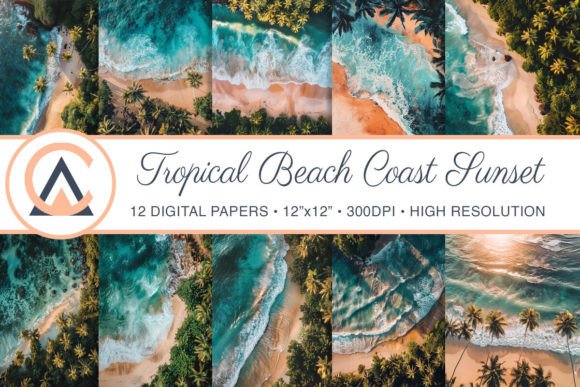
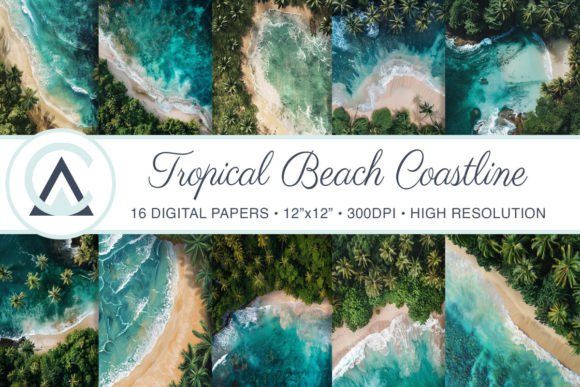
There's a particular feeling you get when you look at a truly stunning tropical coastline—the vibrant turquoise water meeting the soft, sun-bleached sand, the lush green of palm fronds framing the view, the hazy warmth of the horizon. Capturing that feeling in a digital project can be challenging, but the right visual asset can transport your audience instantly. Tropical Summer Beach Coast Backgrounds are designed to do exactly that. They aren't just generic beach photos; they are carefully curated digital papers that embody the relaxed, vibrant, and inviting personality of a perfect summer day by the ocean.
Visually, these backgrounds often feature a blend of saturated and soft tones. Think deep ocean blues, aquamarine shallows, sandy beiges, and pops of coral or sunset orange. The style can range from photorealistic textures that mimic the look of watercolor washes or linen paper, to more illustrative patterns with subtle seashells or tropical leaves. The overall appeal is one of positivity, relaxation, and escape. They provide a ready-made atmosphere that can set the mood for an entire project before you even add text or other design elements. This makes them a powerful tool in a designer's or creator's asset library.
Practical Applications: Beyond the Beach Bar
The true value of a versatile design asset like this lies in its adaptability. While they're perfect for creating invitations to a destination wedding or a summer luau, their utility extends far into commercial and digital realms. For small business owners, these backgrounds can form the foundation of a seasonal brand identity. Imagine a skincare line using a soft, sandy texture background for their product labels, or a boutique hotel using a serene ocean wash for their website hero section. The backgrounds immediately communicate a specific lifestyle and value proposition.
In the digital space, they are invaluable for creating engaging social media graphics. A blogger promoting a travel guide or a fitness coach advertising a "beach body" program can use these backgrounds to create scroll-stopping posts that feel cohesive and professional. For content creators, they serve as excellent backgrounds for quote graphics, podcast cover art, or video title cards. The 12"x12" format at 300 DPI ensures they are print-ready for physical products. This means you can confidently use them for:
- Branding & Marketing: Business cards, brochures, menu designs for coastal restaurants, and promotional flyers.
- Publishing & Editorial: Book covers (especially for romance, travel, or lifestyle genres), magazine layouts, and scrapbook paper.
- Product Design: Custom mugs, t-shirt prints, journal covers, and sticker sheets.
- Digital Presence: Website backgrounds, email newsletter headers, and digital planners.
Integrating with Modern Typography and Brand Strategy
A background is just one layer of a visual story. To build a complete and effective design, you need to consider how other elements, especially typography, will interact with it. The tropical, often busy, nature of these backgrounds calls for thoughtful font pairing. A bold, clean sans serif font often works best for headlines, providing strong contrast and ensuring readability against a textured or colorful backdrop. For a more elegant, resort-style feel, a refined serif font can add a touch of sophistication. Script or handwritten fonts can be used sparingly for accents or logos to enhance the casual, vacation vibe, but they must be chosen carefully to avoid becoming illegible.
This is where understanding your brand identity is crucial. Are you a luxury travel brand or a fun, family-friendly activity company? Your choice of typeface alongside the background will signal that difference. Using these digital papers consistently across your marketing materials—your website, your social media, your packaging—builds recognition and reinforces a professional, curated image. They are more than just a pretty picture; they are a strategic design asset that can influence mood, perception, and engagement. When selecting your set, look for variety in color and pattern to ensure you have options for different projects. Always test your chosen fonts directly on the background in your design software to check for readability and visual hierarchy before finalizing any layout.