Spring Wood Backgrounds: Fresh Pastels for Your Designs
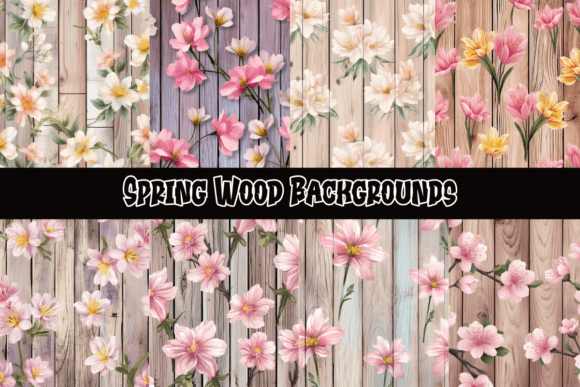
There's a particular quality to the light in early spring—the way it filters through new leaves, casting soft, dappled shadows on weathered wood. It’s a feeling of quiet renewal, of gentle color emerging from a muted landscape. Capturing that essence in a design project can be challenging, but it’s precisely the atmosphere that Spring Wood Backgrounds are built to evoke. These aren't just generic floral patterns; they are curated design assets that blend the rustic texture of wood grain with the delicate beauty of springtime botanicals, all rendered in a fresh, pastel palette.
A Style Rooted in Nature and Nostalgia
The visual personality of this collection is unmistakably soft, organic, and inviting. Imagine a weathered oak plank, its grain subtle and warm, overlaid with watercolor washes of blush pink, sage green, and lavender. Whimsical floral elements—think loose, hand-painted cherry blossoms, sprigs of lavender, or scattered wildflowers—float across the surface, not as a busy pattern, but as an integrated part of the texture. The overall appeal lies in this balance: it’s detailed enough to be interesting but restrained enough to serve as a background. It avoids the trap of being overly saccharine or childish, leaning instead into a sophisticated, artisanal aesthetic that feels both modern and timeless. This makes it a creative font in its own right—not a typeface, but a foundational visual element that sets a specific tone for any project it graces.
Where This Aesthetic Truly Shines
Understanding where to deploy these backgrounds is key to leveraging their full potential. Their versatility is one of their greatest strengths, bridging the gap between personal and commercial applications.
- Print & Packaging Design: For packaging design for artisanal products—think handmade soaps, candles, teas, or gourmet jams—these backgrounds provide instant shelf appeal. They communicate a product story rooted in nature, care, and quality. As a display font equivalent in background form, they make a strong first impression on labels, boxes, and hang tags.
- Digital & Web Presence: In web design, they work beautifully for hero sections, blog post headers, or as a subtle texture behind a content block. They add depth without overwhelming the sans serif font or serif font used for body copy. For social media graphics, they’re invaluable. A Facebook cover, Instagram story backdrop, or Pinterest pin built on a Spring Wood Background immediately feels seasonal, engaging, and professional. It’s a way to create a cohesive brand identity for a spring campaign or product launch.
- Editorial & Publishing: In editorial design, such as magazine layouts, cookbook chapters, or blog features on gardening or home décor, these backgrounds can frame pull quotes, introduce sections, or set the scene for an article. They provide visual breathing room and thematic reinforcement.
- Entrepreneurial & Marketing Collateral: For small business owners and marketers, they are a shortcut to polished, on-brand materials. Use them for email newsletter headers, sale announcements, event invitations, or promotional posters. They help create a consistent, recognizable look across all touchpoints without the need for a custom photoshoot.
- Personal Projects & Crafting: For hobbyists and crafters, the applications are endless. They elevate digital scrapbook layouts, add charm to printable party decorations, and serve as perfect backdrops for custom greeting cards or family photo books.
More Than Just a Pretty Picture: Impact on Design Fundamentals
A well-chosen background does more than decorate; it influences core design principles. The right Spring Wood Background can significantly affect how your audience interacts with your content.
Readability & Visual Hierarchy: The soft, low-contrast nature of these pastel and wood textures means they rarely compete with foreground text or key graphics. When paired with a clean, bold sans serif font for headlines or a elegant script font for accents, the background supports rather than distracts. This establishes a clear visual hierarchy, guiding the viewer’s eye to the most important information first.
Brand Perception & Consistency: Using a consistent style like this across multiple platforms builds a strong brand identity. It tells a story. A bakery using these backgrounds for its social media, menu, and packaging communicates a specific vibe: approachable, creative, and connected to fresh, quality ingredients. This consistency fosters recognition and professionalism.
Audience Engagement: The emotional resonance of the spring theme—renewal, growth, beauty—can subconsciously influence engagement. It makes materials feel more welcoming and positive. For a marketing campaign, this can translate to higher click-through rates and more shares, as the content feels inherently shareable and pleasant.
Practical Guidance for Implementation
Before incorporating any design asset, a thoughtful evaluation ensures it’s the right fit.
- Evaluate Project Fit: Does the project’s tone align with this aesthetic? It’s perfect for anything related to nature, wellness, weddings, home, food, and lifestyle. It might be less suitable for a corporate finance report or a tech startup’s primary logo design, unless used very subtly.
- Test Font Pairings: Don’t just drop in your default font. Experiment. A sturdy, modern sans serif font like Montserrat or Open Sans creates a clean, contemporary look. A classic serif font like Georgia or Lora adds a touch of traditional elegance. A delicate handwritten font or script font can amplify the whimsical feel, but use it sparingly for accents to maintain readability. The goal is harmony, not competition.
- Review Included Styles: A quality premium font collection or background pack often includes variations. Look for different colorways (e.g., a brighter spring palette vs. a more muted vintage one), different wood textures, or variations with more or fewer floral elements. This allows for flexibility across a single project.
- Readability is Non-Negotiable: Always test your text over the background at actual size. Ensure there’s enough contrast. You may need to add a semi-transparent overlay (a soft white or cream box with reduced opacity) behind text blocks to guarantee legibility, especially for longer paragraphs of body copy.
- Understand Commercial Licensing: If you’re using these for client work, merchandise, or products for sale, you must verify the license. Most reputable commercial font and asset marketplaces offer clear licenses. Ensure your purchase covers your intended use, whether it’s for a single client project or unlimited commercial prints.
In the end, Spring Wood Backgrounds are more than a trend. They are a versatile tool in a designer’s kit, capable of injecting a project with a specific, desirable mood. By understanding their personality, knowing where they excel, and applying them thoughtfully with an eye toward modern typography principles, you can leverage their charm to create work that feels both beautiful and deeply connected to the season of renewal. They are, in essence, a way to bottle that first warm breeze of spring and weave it directly into your visual narrative.