Flowing Fabric Backgrounds: A Designer's Secret for Texture and Depth
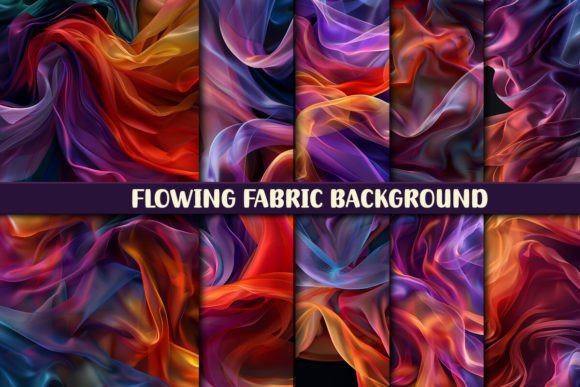
When a project calls for more than just a flat color or a simple gradient, it's time to look at texture. Flowing Fabric Backgrounds offer a sophisticated and versatile solution, providing the rich, tactile feel of draped silk, linen, or chiffon without the complexity of a photo shoot. This collection of digital assets brings an immediate sense of movement, luxury, and organic warmth to any design. The visual personality is one of subtle elegance; the gentle folds and shadows create a dynamic canvas that feels both alive and refined. It’s not just a background—it’s a setting, a mood, and a foundational element of your visual story.
Where Texture Meets Strategy: Practical Applications
The true value of a premium font or design asset is measured by its utility. Flowing Fabric Backgrounds excel across a surprising range of projects, solving common design challenges with grace. For brand identity work, they can instantly elevate a logo presentation or social media kit, lending a high-end, crafted quality to a new brand. Entrepreneurs and small business owners will find them invaluable for creating professional-looking packaging design mockups, hang tags, or thank-you cards that stand out on a crowded shelf or in a customer's inbox.
In the digital realm, these backgrounds are powerful tools for web design and content creation. A blogger can use a flowing fabric texture as a hero image backdrop to add depth to a flat layout, or as a subtle, repeating pattern behind text blocks to improve visual interest without sacrificing readability. Social media graphics gain a tactile quality that stops the scroll; imagine an Instagram story or a Pinterest pin with a product floating on a sea of soft, wrinkled linen. For publishers and designers working on editorial design, these textures can serve as chapter openers, pull-quote backgrounds, or elegant page borders in both print and digital magazines.
Making It Work: Integration and Pairing
Using a textured background effectively requires a thoughtful approach to the other design elements. The key is to treat the fabric as a supporting actor, not the star. Its role is to enhance legibility and create a cohesive atmosphere. When placing text or logos over these backgrounds, always test for contrast. A light, flowing silk might require dark, bold type, while a deeper, richer velvet could beautifully frame a delicate script font or a clean sans serif font. This is where understanding font pairing becomes crucial. A strong, modern display font can create a compelling hierarchy against the soft, organic lines of the fabric.
Consider the project's overall tone. A crinkled, natural cotton background pairs well with earthy, handmade brands and handwritten fonts, while a sleek satin finish complements modern typography and luxury goods. Don't be afraid to experiment with blending modes in your design software—multiply, overlay, or soft light can integrate the texture more seamlessly with your color palette. For commercial font and asset use, the licensing here is straightforward: these are digital downloads meant for your creative projects, from client work to personal stationery. Always review the specifics, but the freedom to use them in invitations, scrapbooking, card making, and even as wallpaper for devices makes them a highly practical addition to any designer's toolkit.
Beyond the Obvious: Creative Exploration
While the primary use is as a backdrop, creative professionals can push these assets further. Use them as a clipping mask for text to give letterforms a fabric texture. Layer multiple backgrounds at low opacities to create unique, complex surfaces. Print them onto transfer paper for physical craft projects or decoupage. The high-resolution, 300 dpi files ensure that whether you're designing for a small hang tag or a large-format banner, the quality remains impeccable. The 12"x12" format is particularly ideal for scrapbooking and paper craft enthusiasts, offering a perfect square canvas.
Ultimately, Flowing Fabric Backgrounds are more than just a set of images; they are a shortcut to adding depth, emotion, and professionalism. They bridge the gap between a flat digital design and the tactile world we inhabit, making them an essential design asset for anyone looking to create work that feels considered, textured, and engaging. The next time your project feels a little too sterile or static, consider letting a little fabric flow into your composition.