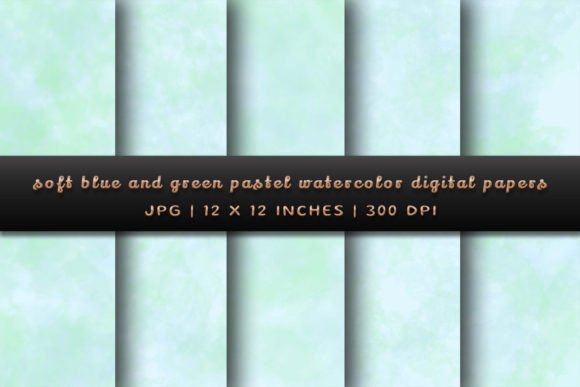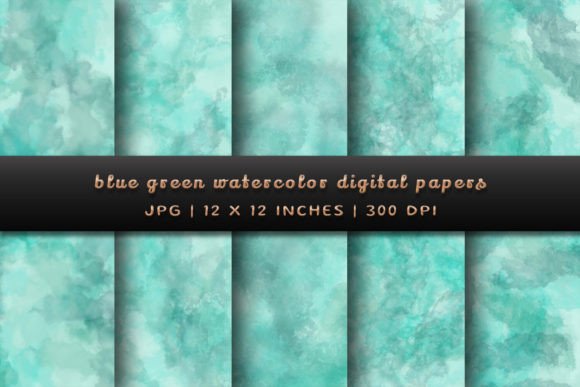
Mastering the Flow: Blue Green Watercolor Backgrounds in Design
There is a specific kind of visual fatigue that sets in when a design relies solely on flat, static colors. We see it everywhere—solid corporate blues, predictable greens, and sterile grays. While clean aesthetics have their place, modern audiences crave texture and emotion. This is exactly where the utility of Blue Green Watercolor Backgrounds comes into play. They offer a bridge between the organic unpredictability of traditional art and the precision required in digital production. When you introduce a watercolor texture, particularly one utilizing a blue-green palette, you are not just adding a pattern; you are injecting a personality that feels both calming and vibrant.
The visual appeal of this specific color combination is rooted in color psychology. Blue represents trust, depth, and stability, while green signifies growth, nature, and harmony. When blended in a watercolor style, these tones create a fluid, transitional gradient that mimics natural phenomena—think of the ocean meeting the shore or the veins of a leaf. For the designer, this means you have a background that is inherently versatile. It provides enough visual interest to stand alone on a simple invitation, yet it remains subtle enough to support complex typography and layout systems in editorial design or web layouts. It is a tool for adding sophistication without the rigidity of geometric patterns.
Practical Applications Across Industries
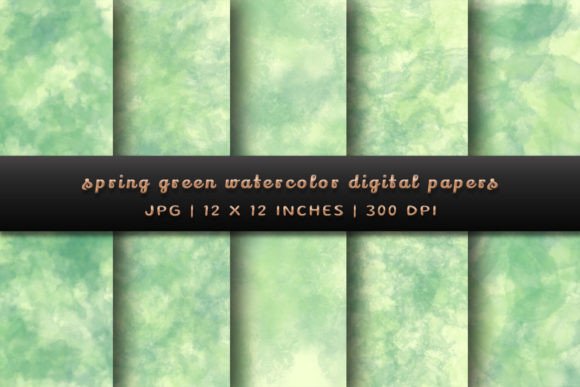
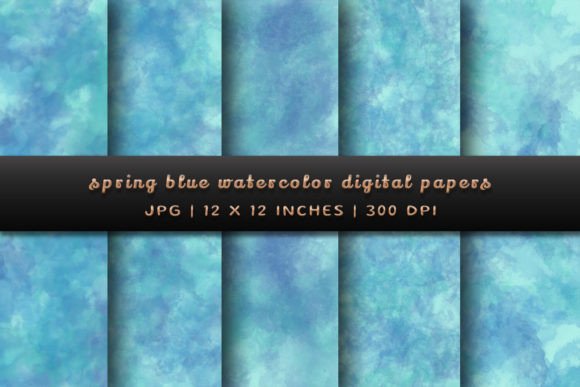
Understanding where these assets fit into your workflow is key to maximizing their value. The versatility of Blue Green Watercolor Digital Papers makes them a staple for a wide range of professionals, from small business owners to digital artists. For brand identity projects, particularly those in the wellness, eco-friendly, or lifestyle sectors, this palette immediately communicates a connection to nature and tranquility. Imagine a yoga studio’s social media graphics or a sustainable brand’s packaging design; the watercolor texture softens the commercial aspect of the product, making the brand feel more approachable and authentic.
In the realm of publishing and print design, the utility is just as strong. Book covers, especially in the fantasy, romance, or self-help genres, often rely on evocative textures to set the mood. A Blue Green Watercolor Background can serve as a perfect base layer for a display font or serif font, providing the necessary contrast for legibility while maintaining an artistic flair. Furthermore, for crafters and hobbyists, the applications extend to physical goods. With specifications like 12 x 12 inches at 300 DPI, these assets are optimized for high-quality output, making them ideal for sublimation projects on textiles, tote bags, or ceramic coasters.
Integrating Texture into Digital Workflows
For content creators and web designers, the challenge often lies in differentiating a brand in a saturated digital market. Using standard stock photos is a default for many, but incorporating digital art textures can elevate a website’s UI or a blog’s header image significantly. A watercolor background adds a layer of "human touch" to the digital experience. It breaks the monotony of flat design trends (like Material Design) without compromising on load times or responsiveness, provided the files are optimized correctly.
Consider the impact on social media graphics. Platforms like Instagram and Pinterest are visually driven, and a cohesive aesthetic is crucial for growth. By using a consistent set of blue-green watercolor textures, you can create a recognizable visual thread through your posts. This consistency aids in brand recognition. It tells the audience that there is a deliberate design strategy at work. It is not just about making things look pretty; it is about using design assets to create a professional environment that fosters trust and engagement.
Design Strategy and Font Pairing
The success of a background relies heavily on what sits on top of it. This is where the concept of visual hierarchy becomes critical. When working with a textured background like watercolor, you must be strategic with your typography. A busy background can easily swallow a handwritten font or a thin sans serif font. Therefore, choosing the right typeface is not just an aesthetic choice; it is a functional necessity for readability.
For headers, a bold display font or a heavy serif font often works best. The weight of the letters creates a strong silhouette that stands out against the organic, irregular edges of the watercolor wash. If the watercolor texture is particularly intense or dark in certain areas, consider adding a subtle drop shadow or placing the text within a semi-transparent shape (a technique known as "knocking out") to ensure the message is clear.
When it comes to body text, simplicity is your ally. A clean sans serif font usually pairs well with watercolor backgrounds because its geometric simplicity offers a pleasing contrast to the organic nature of the paint. Avoid using script fonts for long paragraphs, as the loops and swirls can get lost in the texture. The goal is to balance the artistic emotion of the background with the functional clarity of the typography. This balance is what separates amateur design from professional graphic design.
Technical Specifications for Quality Assurance
Quality control is a non-negotiable aspect of professional work. When sourcing assets, you need to ensure they meet the technical requirements of your specific project. The specifications of these Blue Green Watercolor Digital Papers—high-resolution JPG files at 300 DPI—are designed to prevent the most common issue in print production: pixelation. Whether you are printing a small business card or scaling up for a large format poster, high resolution ensures that the brush strokes remain crisp and the color gradients remain smooth.
It is also important to note the file delivery method. Since the files are delivered as a ZIP file, your workflow needs to account for extraction. This is standard practice for digital papers to ensure fast download speeds and data integrity. Once extracted, organizing these assets in your library is a good habit. Labeling them by color intensity or texture style allows for faster retrieval during tight deadlines. Treating these backgrounds as professional design assets rather than disposable files helps streamline your creative process.
Evaluating Fit and Licensing
Before finalizing a design, it is crucial to evaluate the fit of the asset within the broader context of the project. Ask yourself: Does this texture support the message, or does it distract from it? For corporate financial reports, a watercolor might be too casual. However, for a wedding invitation, a wellness brochure, or a lifestyle brand’s logo design presentation, it might be the perfect element to convey warmth and creativity.
Finally, understanding the commercial application of your assets is vital for entrepreneurs and marketers. While personal projects offer flexibility, commercial work requires adherence to licensing terms. Ensuring that your premium font and background assets are cleared for commercial use protects your business and your clients. It allows you to confidently use these creative fonts and textures in products you sell, marketing materials you distribute, and digital goods you create, ensuring your brand remains professional and legally compliant.
Ultimately, Blue Green Watercolor Backgrounds are more than just pretty pictures; they are functional tools for visual storytelling. By understanding their technical specs, pairing them with the right typography, and applying them thoughtfully across various mediums, you can transform a standard design into something that resonates deeply with your audience. They offer a way to bring the imperfection and beauty of the natural world into the structured environment of digital and print media, proving that sometimes, the best way to move forward is to look back at the timeless appeal of art.