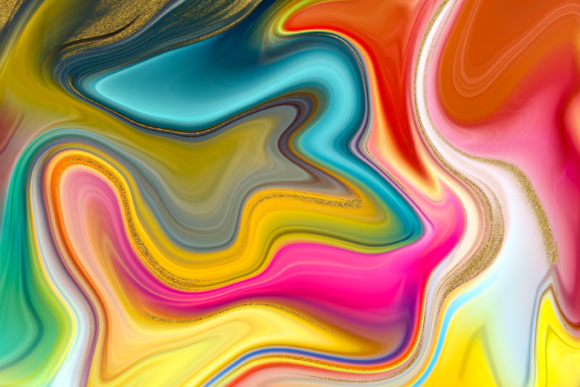
Marble Backgrounds Design: Elevate Your Creative Projects
When you’re working on a project that needs a touch of sophistication, the background often makes or breaks the entire composition. A flat color might work, but it rarely tells a story. This is where Marble Backgrounds Design steps in to transform your work. Imagine the depth of highly-textured oil paint, the shimmer of gold powder mixed into vibrant blue hues, and the raw, artistic energy of a closeup painting. These aren't just static images; they are fluid, abstract textures that bring a sense of luxury and artistic flair to any visual medium. Whether you are a graphic designer looking for a new texture or a small business owner trying to elevate your branding, understanding how to use these assets can significantly improve your visual output.
The Visual Power of Abstract Textures
The aesthetic of Marble Backgrounds Design goes beyond the traditional stone look. It embraces the chaos and beauty of abstract art. You are dealing with a visual style that is rich in detail, featuring the organic movement of ink and paint. The personality of these textures is bold yet elegant. It isn't just about a "pretty picture"; it's about creating a mood. The combination of high-resolution details and the interplay of color—specifically that striking blue and gold powder combination—creates a backdrop that feels premium and intentional.
Unlike generic stock photos, these textures have a distinct character. They mimic the physical reality of art materials, offering a tactile quality that digital screens often lack. This "highly-textured" appearance adds weight to your design. When you place a logo or a headline over one of these backgrounds, the text doesn't just float; it sits within a rich, dynamic environment. The abstract nature of the ink and paint allows it to adapt to various styles, from modern and edgy to classic and romantic. It provides a sophisticated canvas that can anchor a busy layout or add interest to a minimalist one.
Practical Applications for Every Creator
The versatility of Marble Backgrounds Design is one of its strongest assets. Because the files are high-resolution (3000x2000 pixels at 72 DPI) and come in both Adobe Photoshop and PNG formats, they fit seamlessly into almost any workflow. Here is how different professionals can leverage these textures:
- Branding and Identity: For entrepreneurs, consistency is key. Using these textures as the background for your business cards, letterheads, or presentation decks creates a cohesive brand identity. It signals to your clients that you care about aesthetics and quality. The blue and gold palette, for example, suggests trustworthiness combined with value—perfect for consultants or luxury service providers.
- Digital Marketing and Social Media: In the fast-paced world of social media, stopping the scroll is essential. These textures make excellent backgrounds for Instagram stories, Facebook banners, and Pinterest graphics. They provide enough visual interest to catch the eye without overwhelming the text overlay. You can use them as clipping masks to fill typography with texture, making your quotes or announcements pop.
- Web and Editorial Design: In web design, large hero images are standard, but they can slow down a site if not optimized. However, using a high-quality texture as a header background can instantly elevate a simple landing page. For bloggers and publishers, these designs work wonderfully as feature image backgrounds or within mood boards to set the tone for an article.
- Packaging and Stationery: If you are designing wedding invitations, wrapping paper, or product packaging, the "oil paint" aesthetic adds a handmade, artisanal feel. It suggests that the product inside is crafted with care. The abstract nature allows it to be used as a full background or as a subtle border element.
Working with Layers and Customization
One of the critical aspects of using design assets effectively is the ability to customize them. The Marble Backgrounds Design collection is built for this. The files are well-organized with clean layers, which means you aren't locked into a single look. You can easily adjust the opacity, change the color balance, or crop the texture to fit specific dimensions like a Twitter header or an A5 flyer.
The "clipping mask" feature mentioned in the file description is a game-changer for logo design. By overlaying text and shapes, you can create a "filled" effect where the texture appears only inside your typography. This creates a modern typography look that is very popular in editorial design and fashion branding. Because the resolution is high, you can zoom in on specific parts of the abstract painting to find the perfect "closeup" spot that matches your layout's composition. The fact that these are easy to customize in Adobe Photoshop means you spend less time troubleshooting and more time creating.
Evaluating Fit and Professional Polish
When incorporating any new asset into a project, it’s important to evaluate how it influences the overall visual hierarchy. A busy background can sometimes compete with your message. However, the design of these textures—while detailed—uses abstract forms rather than recognizable objects. This makes them excellent "fillers" that add atmosphere without distraction.
Consider the "personality" of the texture against your audience. The blue and gold abstract paint style conveys a sense of modern sophistication. It works well for brands targeting adults aged 20–50 who appreciate design and quality. It might be less suitable for a playful children's brand, but perfect for a tech startup, a beauty brand, or a lifestyle magazine.
Furthermore, the professionalism of the files cannot be overstated. Poorly organized layers or low-resolution pixels can ruin a project's credibility. Having access to professional, clean files ensures that your final output—whether it’s a printed poster or a digital ad—looks crisp and intentional. It bridges the gap between amateur design and professional publication standards.
Final Thoughts on Texture and Strategy
Design is often about solving visual problems. How do you make a white background more interesting? How do you make a logo feel more tangible? Marble Backgrounds Design offers a practical solution to these problems. It provides the raw materials—ink, paint, gold powder, and abstract forms—that allow you to inject personality into your work.
By treating these textures not just as "pretty pictures" but as strategic design tools, you can improve engagement, strengthen your brand identity, and produce work that feels polished and contemporary. Whether you are wrapping a gift, designing a website, or posting on social media, the right background texture ensures your message is delivered with style and impact.