Empowered Artistry: Tattooed Girls Backgrounds for Book Covers
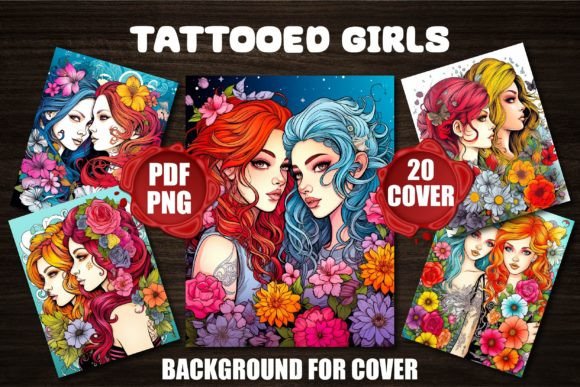
In the competitive world of self-publishing and digital product design, the cover is your first handshake with the audience. It needs to be more than just attractive; it needs to tell a story instantly. The Tattooed Girls Backgrounds for Covers collection does exactly that, offering a distinct visual language that speaks of creativity, mindfulness, and bold self-expression. This isn't a standard set of floral patterns or abstract shapes. It is a curated series of 20 high-resolution backgrounds featuring the artistry of tattoo culture, designed specifically for creators who want their projects to stand out with a unique, confident voice.
What makes this collection so compelling is its ability to blend intricate detail with a clear, powerful subject. Each background showcases empowered women adorned with detailed tattoos, creating a rich tapestry of line work and shading. The style is a modern fusion of illustration and graphic art, making it incredibly versatile. The 300 dpi resolution ensures that whether you're printing a large-format journal cover or using it as a digital paper, the details remain crisp and vibrant. This level of quality is non-negotiable for professional projects, especially those intended for platforms like Amazon KDP where print quality directly impacts reviews and sales.
Strategic Applications for Designers and Publishers
Understanding where these backgrounds excel is key to leveraging their full potential. Their strongest application is, of course, for coloring book covers. For adult coloring books focused on themes of mindfulness, stress relief, or artistic expression, a cover featuring a tattooed woman immediately sets the tone. It signals to the buyer that the interior pages likely contain the intricate, detailed line art they're seeking. This visual cue is a powerful marketing tool, helping your product attract its ideal customer on a crowded digital shelf.
Beyond the coloring book niche, the utility of the Tattooed Girls Backgrounds for Covers extends into several creative domains:
- Journaling and Notebooks: For planners, gratitude journals, or diaries aimed at a creative audience, these backgrounds offer a cover that feels personal and inspiring. The theme of "self-care" and "mindful coloring" translates perfectly into a journaling context.
- Digital Products and Social Media: Use them as eye-catching backgrounds for social media graphics, blog post headers, or digital product mockups. The bold aesthetic grabs attention in a fast-scrolling feed, making them excellent design assets for marketers and content creators.
- Branding and Packaging: For small businesses in the creative space—think indie beauty brands, boutique stationery shops, or tattoo parlor merchandise—these backgrounds can contribute to a unique brand identity. They work well for packaging inserts, thank-you card designs, or promotional materials that need a touch of artistic rebellion.
- Event and Workshop Promotion: If you're promoting a creative workshop, art therapy session, or a self-care retreat, using one of these backgrounds on your flyer or registration page instantly communicates the event's focus on creativity and personal expression.
Making the Design Work for You: Practical Considerations
Choosing a design asset is only half the battle; integrating it effectively is what separates good design from great. Here’s how to approach working with these backgrounds to ensure professional results.
Evaluating Project Fit: Before you download, ask yourself: Does the subject matter align with my project's core message? These backgrounds carry a specific personality—empowerment, artistry, and a touch of edginess. They are a perfect fit for projects targeting an audience that values individuality and creative expression. For a more traditional or corporate project, they might not be the right choice. The key is brand alignment; the cover should be a promise of the content inside.
Font Pairing and Typography: The intricate nature of the backgrounds means your typography needs to be chosen with care. A highly decorative or script font could get lost in the details. Instead, consider pairing them with a clean, strong sans serif font for your title. A bold, modern sans serif will create a striking contrast, ensuring your title is legible and commanding. For a subtitle, a simple serif font can add a touch of elegance without competing for attention. The goal is visual hierarchy—your title should be the first thing a reader sees, followed by the subtitle, all supported by the background art.
Testing and Mockups: Never finalize a cover without seeing it in context. Use a mockup generator to visualize how the cover will look as a physical book or as a thumbnail on a sales page. This step is crucial for checking readability at small sizes, which is vital for online retail. Does the title still pop? Does the overall design feel cohesive? This testing phase is where you refine your color choices for the text, perhaps pulling a color from the tattoo ink or the subject's clothing to create a unified palette.
Licensing and Usage: As with any premium font or design asset, always review the licensing terms. The provided information suggests suitability for commercial use on platforms like KDP, but it's your responsibility to confirm the specifics. Understanding whether the license covers physical products, digital downloads, and the number of end products is essential for protecting your business and respecting the creator's work. This due diligence is a hallmark of a professional creative workflow.
The Tattooed Girls Backgrounds for Covers collection is more than just a set of images; it's a toolkit for visual storytelling. It provides designers, publishers, and entrepreneurs with a powerful way to communicate a specific brand personality—one that is artistic, mindful, and confidently bold. By thoughtfully applying these assets, considering their strengths, and pairing them with complementary typography, you can create covers and designs that don't just attract the eye, but resonate deeply with your intended audience.