Elevate Your Projects with Abstract Art Backgrounds
More Than Just Filler: The Power of Visual Texture
In a digital landscape saturated with clean lines and minimalist grids, standing out requires a different approach. You need visuals that grab attention and hold it, creating an immediate emotional connection. This is where thoughtfully crafted Abstract Art Backgrounds come into play. They are not merely decorative fillers; they are foundational design assets that establish mood, depth, and professionalism. Think of them as the stage upon which your content performs. A well-chosen background can transform a simple social media post into a compelling story, or turn a basic business presentation into an engaging experience. The right texture adds a layer of sophistication and intentionality that flat, solid colors often lack.
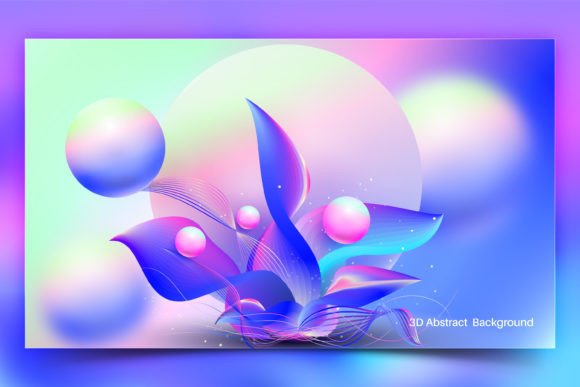
The 5 included 3D Illustration Art Backgrounds for Illustrator take this concept a step further. These aren't your typical flat patterns. They offer a sense of dimension and tactility, with soft shadows, subtle gradients, and organic forms that feel almost tangible. The visual personality of these assets leans towards the modern and dynamic, yet they maintain a certain elegance. They can feel energetic and vibrant or calm and contemplative, depending on the color palette you choose. This versatility makes them a powerful tool in any creative's arsenal, whether you're a seasoned designer or a small business owner crafting your own marketing materials.
Practical Applications: Where These Backgrounds Shine
The true value of any design asset lies in its application. These Abstract Art Backgrounds are built for flexibility, fitting seamlessly into a wide array of projects across different mediums. Their editable nature means you're not locked into a single look. You can adjust colors to match your brand palette, scale elements, and reposition components to fit your specific layout needs. This level of customization is crucial for maintaining brand identity and visual consistency across all your touchpoints.
For Digital and Web Design
In the realm of web design, these backgrounds can be used to create stunning hero sections, engaging website banners, or subtle textures for content blocks. They help guide the user's eye and create a memorable first impression. For social media graphics, they provide a dynamic backdrop for quotes, announcements, and promotions, helping your content stand out in a crowded feed. Use them for Instagram story backgrounds, Facebook cover images, or Pinterest pins to instantly elevate your visual game. They are also perfect for creating unique podcast cover art or YouTube channel thumbnails that convey a sense of creativity and quality.
For Branding and Marketing Materials
A strong brand identity is built on consistent, high-quality visuals. These backgrounds can become a core part of your brand's visual language. Use them in logo design presentations to give your concepts a professional context. Integrate them into packaging design to create a product that feels premium and considered on the shelf. For print materials like business cards, brochures, and event posters, they add a tactile quality that captures attention. Marketers can leverage them for eye-catching ad creatives, email newsletter headers, and lead magnet covers that increase perceived value and engagement.
For Publishing and Personal Projects
Publishers and content creators will find endless uses for these assets. They make beautiful and unique backgrounds for book covers, magazine layouts, and editorial design elements. Use them to create compelling visual breaks in long-form articles or as the foundation for infographic designs. Even for personal projects, such as custom invitations, digital planners, or printable wall art, these abstract textures provide a professional polish that is hard to achieve otherwise. The included Ai, Eps, and Jpeg files ensure you have the right format for any software, from Adobe Illustrator to Canva.
Working with Editable Design Assets
One of the biggest advantages of this collection is its user-friendly, customizable structure. The files are organized and layered in Adobe Illustrator, making it straightforward to isolate and edit individual elements. This is a significant time-saver, allowing you to adapt the backgrounds quickly for different projects without starting from scratch. The included help file can guide you through the basic steps of customization, even if you're not an advanced Illustrator user.
When incorporating these backgrounds into your work, consider a few design principles. Think about visual hierarchy. The background should support your main content, not compete with it. You might need to adjust the opacity, apply a slight blur, or choose a more subdued color variation to ensure your text or foreground elements remain legible. Experiment with font pairing against the textured background. A clean, sans-serif font often works well against a complex abstract pattern, providing a clear point of contrast. Conversely, a bold display font can be used to make a dramatic statement. Always test your designs at the intended size and on different screens to ensure the final result is both beautiful and functional. This practical approach ensures your use of these design assets enhances your project's overall effectiveness and professionalism.